
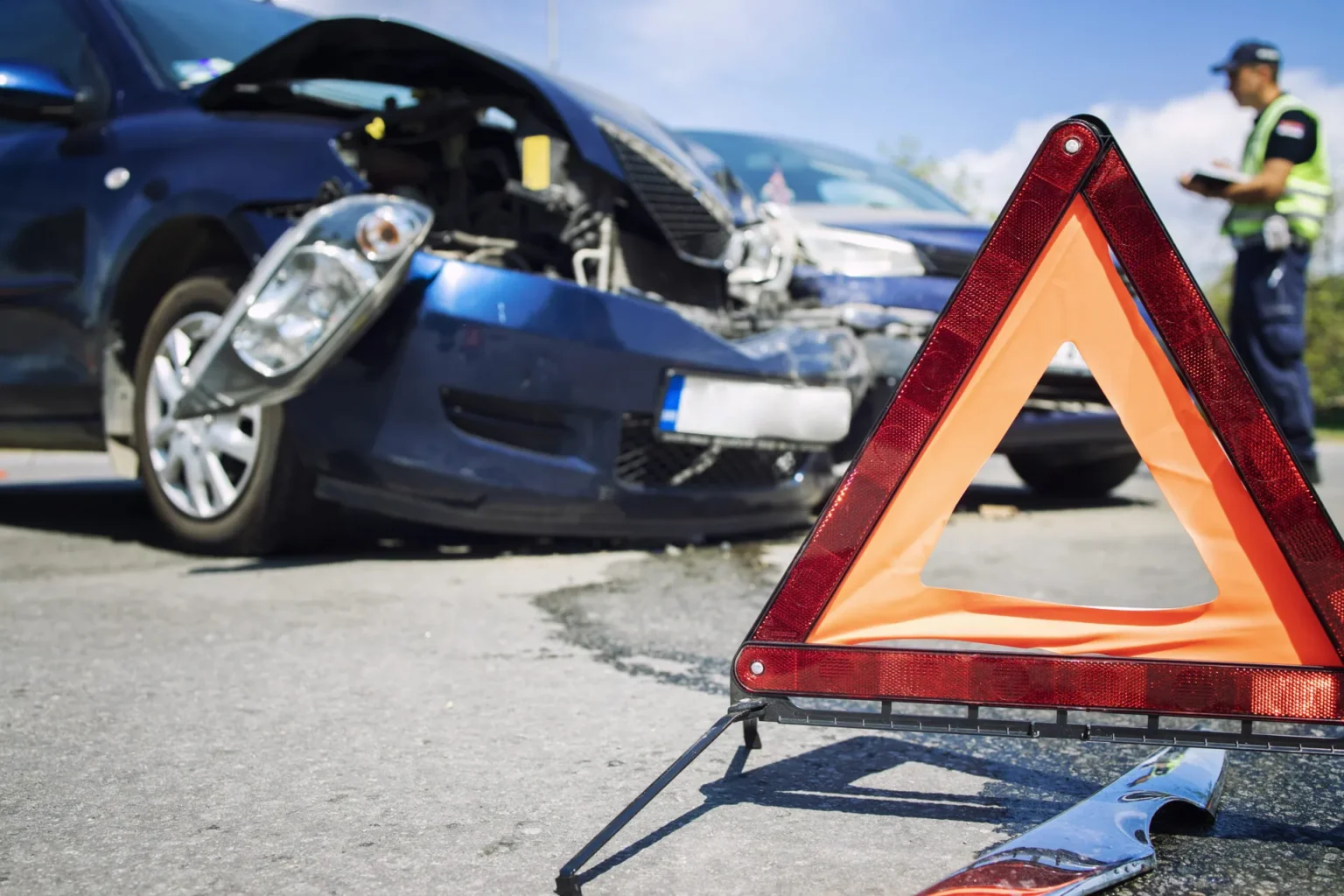
DUI Accident Lawyer for Drunk Driving Victims
If you were hurt in a DUI accident, a driver who chose to drink or use drugs and then drive put you in this position. The arrest and the charges can make it feel like justice is underway, but the criminal case is not built to pay your medical bills, replace your income, or account for your pain. That happens through a separate civil injury claim that belongs to you. NMF Law Group, APC represents people hurt in DUI and drunk driving accidents across California, including in Tarzana and throughout the San Fernando Valley, and the consultation is free.
- ★★★★★5.0 Google Reviews
- Former Insurance Defense Attorney
- Free Consultation
Before founding the firm, our attorney spent nearly a decade defending insurance companies in civil litigation. We know how an insurer will try to value a DUI injury claim, because we used to sit on that side of the table.
Your Injury Claim Is Separate From the Criminal Case
The criminal DUI case
The prosecutor brings the criminal case on behalf of the People of the State of California. Its purpose is to punish the driver and protect the public. You may be a witness, but you are not a party, and you do not decide whether charges are filed, reduced, or resolved through a plea deal.
Your civil injury claim
You bring the civil claim, and its purpose is to compensate you. Under Civil Code § 1714(a), everyone is responsible for injuries caused by a failure to use ordinary care, and a driver who chooses to drive impaired falls far short of that standard. Your claim is a negligence claim with its own timeline, and you generally do not have to wait for the criminal case to end. The criminal statutes do not give you a right to sue on their own, but proof that the driver broke them can help show the driver was negligent.
Why a conviction alone does not pay you
A conviction is a finding that the driver committed a crime. By itself, it does not compensate you for everything you lost. The standard of proof is also different: a prosecutor must prove the crime beyond a reasonable doubt, while your injury claim is decided under a lower civil standard. That is why an injury claim can still move forward when charges are reduced, dismissed, or never filed.
What California’s DUI Laws Say
Vehicle Code § 23152: driving under the influence
This section makes it unlawful to drive under the influence of alcohol, to drive with a blood alcohol level at or above the legal limit, to drive under the influence of any drug, or to drive under the combined influence of alcohol and a drug.
Vehicle Code § 23153: DUI causing injury
This section applies when an impaired driver also breaks another law or neglects a legal duty while driving, and that violation or neglect causes bodily injury to someone other than the driver. An intoxicated driver who runs a red light and hurts someone can face a charge under it.
What the Criminal Case Can and Cannot Do for You
If the driver is convicted, Penal Code § 1202.4(f) requires the court to order restitution for the economic loss you suffered as a result of the driver’s conduct. That can include medical bills and lost income.
Restitution has limits, and it does not replace your civil claim. It covers economic loss, so pain, suffering, and emotional distress are pursued through the civil claim. It comes out of a case whose outcome you do not control, and an order is not the same as money in hand. Under Penal Code § 1202.4(j), restitution actually collected is credited against any other judgment you obtain against the driver for the same losses, so you are not paid twice.
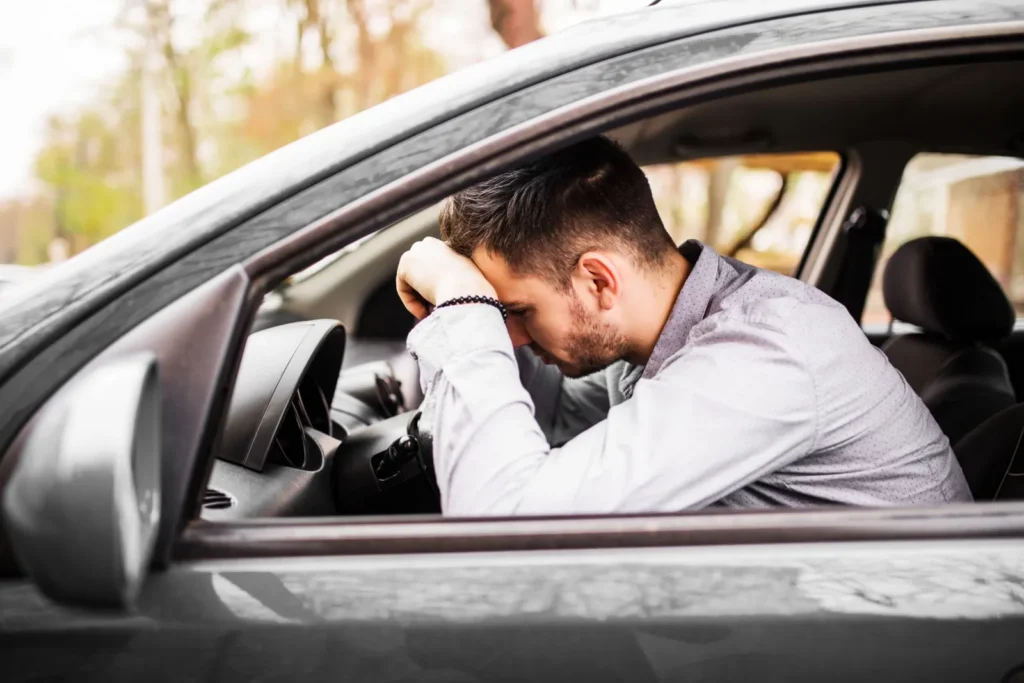
What Your Civil Claim Can Recover
Civil Code § 1431.2(b) describes two categories of damages. Economic damages include medical expenses, loss of earnings, and loss of employment or business opportunities. Non economic damages include pain, suffering, inconvenience, emotional distress, loss of society and companionship, and loss of consortium.
Punitive damages, in some cases
Civil Code § 3294 allows punitive damages on top of actual damages when a plaintiff proves by clear and convincing evidence that the defendant acted with malice, oppression, or fraud. Malice includes despicable conduct carried on with a willful and conscious disregard of the rights or safety of others. A driver who knowingly drank or used drugs and then chose to drive may, depending on the facts, fit that definition.
Punitive damages are never automatic, no lawyer can promise them, and clear and convincing evidence is a higher bar than the rest of your claim must meet.
Can a Bar or Party Host Be Held Responsible?
Usually not. In Civil Code § 1714(b), the Legislature declared that consuming alcohol, not furnishing it, is the proximate cause of resulting injuries, and Civil Code § 1714(c) says a social host who furnishes alcohol cannot be held legally accountable for injuries the drinker causes to others. Business and Professions Code § 25602 takes the same approach with bars, restaurants, and stores: serving an obviously intoxicated person is a misdemeanor, but the seller is not civilly liable to people injured as a result of that customer’s intoxication.
The narrow exceptions involving minors
Under Business and Professions Code § 25602.1, a seller licensed or required to be licensed, or anyone else who sells alcohol, can be sued for selling alcohol to an obviously intoxicated minor when that sale was the proximate cause of the injury or death. Under Civil Code § 1714(d), an adult who knowingly furnishes alcohol at his or her residence to someone the adult knows, or should have known, is under 21 can face a claim from the minor or from someone the minor later harms.
If the impaired driver was 21 or older, these exceptions do not apply. We still look for every source of recovery, including whether the driver was working at the time, who owned the vehicle, and what insurance covers it.
Insurance After a Drunk Driving Accident
For auto policies issued or renewed on or after January 1, 2025, Vehicle Code § 16056 sets minimum liability limits of $30,000 per person and $60,000 per accident for bodily injury, and $15,000 for property damage. Some drivers carry only those minimums, and a serious injury can cost far more.
If the impaired driver had no insurance or too little, your own policy may help. Uninsured motorist coverage can apply when the at fault driver has no coverage, and underinsured motorist coverage may apply when the driver’s limits are too low, depending on the limits on your own policy.
Evidence and What to Do After a DUI Crash
The police report records the officer’s observations, statements made at the scene, and witness names. Breath or blood test results can show the driver’s alcohol concentration or the presence of drugs. Dashcam, doorbell, and business surveillance video can show how the crash happened, but footage is often recorded over quickly. Witness statements, bar tabs, receipts, and credit card records can show where and how much the driver was drinking, which can matter for punitive damages or a claim involving an underage driver.
- Call 911 and get medical care right away, even if you feel fine. Adrenaline can hide injuries.
- Tell the officers about any signs of impairment you noticed, such as the smell of alcohol or slurred speech.
- Get the police report number and the names of the responding officers.
- Photograph the vehicles, the scene, and your injuries, and collect witness contact information.
- Decline to give a recorded statement to the other driver’s insurance company.
- Keep every medical bill, receipt, and record of missed work.
- Talk to a lawyer early so video and bar records can be requested before they are gone.
The Deadline to File Your Claim
In California, you generally have two years to sue for an injury caused by the wrongful act or neglect of another, under Code of Civil Procedure § 335.1. Do not assume the criminal case pauses that clock. If a public entity is involved, such as a crash with a government vehicle, a claim must generally be presented within six months under Government Code § 911.2. If you lost a family member, Code of Civil Procedure § 377.60 controls who may bring a wrongful death claim.
Frequently Asked Questions
Do I have to wait for the criminal DUI case to finish before filing an injury claim?
In most cases, no. The civil claim and the criminal case are separate and move on their own timelines. The two year deadline under Code of Civil Procedure section 335.1 generally applies, but a claim involving a public entity must generally be presented within six months under Government Code section 911.2.
What if the drunk driver is never convicted?
You may still have a civil claim. A conviction requires proof beyond a reasonable doubt, while your injury claim is decided under a lower standard of proof.
Can I get punitive damages from a drunk driver?
Possibly, in some cases. Civil Code section 3294 requires clear and convincing evidence of malice, oppression, or fraud. Knowingly driving while intoxicated may meet the malice standard depending on the facts, but punitive damages are never automatic.
Can I sue the bar that served the drunk driver?
Usually not. Under Business and Professions Code section 25602, a seller is generally not civilly liable for serving an obviously intoxicated customer. Section 25602.1 creates an exception when a seller sells alcohol to an obviously intoxicated minor and that sale was the proximate cause of the injury or death.
Does restitution in the criminal case replace a civil claim?
No. If the driver is convicted, Penal Code section 1202.4 requires restitution for a victim’s economic losses. That order runs alongside your civil claim, which is where pain and suffering are pursued. Restitution actually collected is credited against any other judgment for the same losses, so you are not paid twice.
What if the drunk driver had no insurance or not enough?
Your own uninsured or underinsured motorist coverage may help, depending on your policy. We review every policy that may apply to your crash.
How much does a DUI accident lawyer cost?
Nothing up front. The consultation is free, and there are no attorney’s fees unless we win.


Learn more about how we handle car accident cases, uninsured motorist claims, and wrongful death cases, or see every case type on our personal injury page. If an impaired driver hurt you or someone you love, call (213) 800-0706 or contact us online for a free consultation in English or Spanish. There are no attorney’s fees unless we win.