
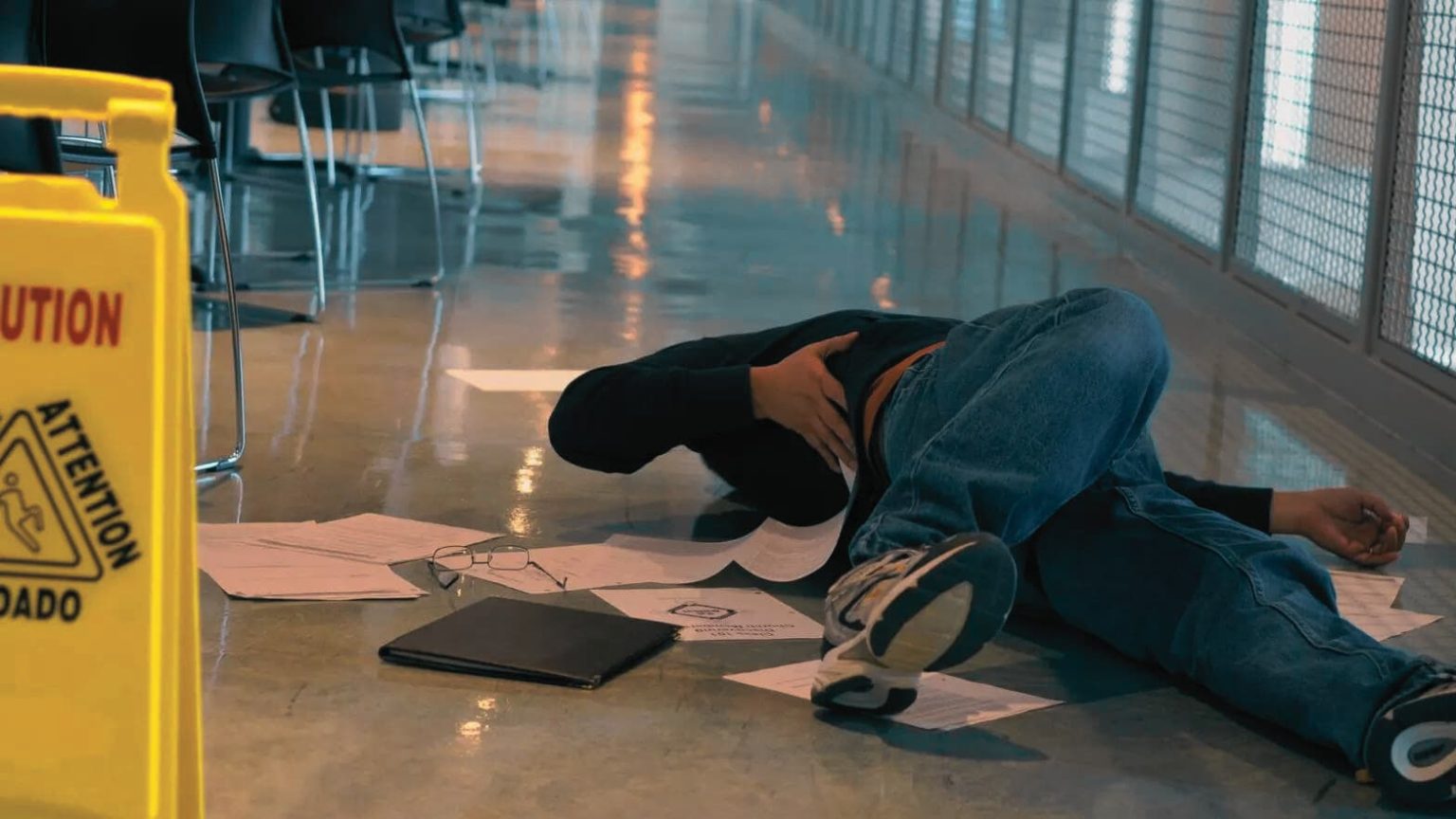
Premises Liability Lawyer in California
If you were hurt because someone did not keep their property reasonably safe, California law may hold them responsible. Not My Fault Law Group, APC represents injured people across California in premises liability cases, and the consultation is free. Before founding the firm, Joshua B. Adelpour spent nearly a decade defending insurance companies, public entities, and property owners in civil litigation, rising to partner at an insurance defense firm. We know how the other side builds its defense because we used to build it.
- ★★★★★5.0 Google Reviews
- Former Insurance Defense Attorney
- Free Consultation
What Premises Liability Covers
Premises liability deals with injuries caused by unsafe conditions on property. A slip and fall is the most familiar example, but only one of many. A claim can arise anywhere someone owns or controls a space: a store, an apartment building, a hotel, a gym, a parking lot, a private home, or public property.
Slips, trips, and falls
Spilled liquids, torn carpet, loose mats, uneven flooring, and cracked walkways cause many falls. Our slip and fall page covers these cases in detail.
Stairs, handrails, and poor lighting
Broken handrails, worn stair treads, steps of uneven height, and burned out lights in stairwells and parking structures make ordinary walking dangerous.
Falling objects and construction hazards
Merchandise stacked too high, loose fixtures, and unsecured signs can fall on people below. Construction work adds debris in walkways, unmarked openings, and materials dropped from above.
Negligent security
Owners of apartment complexes, parking garages, hotels, and shopping centers may be responsible when a lack of reasonable security, such as broken gates or dead lighting, contributes to a foreseeable assault. These claims turn heavily on what the owner knew about prior incidents.
Swimming pools
Broken gates, gaps in fencing, unsafe drains, and slippery decks can lead to drownings and serious head and spinal injuries. Children are especially vulnerable around pools that are not properly secured.
Dog bites on someone else’s property
Under Civil Code section 3342, a dog owner is strictly liable for bite injuries to a person in a public place or lawfully in a private place, including the dog owner’s own property, so you generally do not have to prove the owner knew the dog was dangerous. See our dog bite page.
The Owner’s Duty and What You Have to Prove
California Civil Code section 1714(a) makes everyone responsible for injuries caused by a failure to use ordinary care or skill in the management of their property. In practice, that means acting the way a reasonably careful owner or occupier would: inspecting the premises, repairing hazards, and warning people about dangers that cannot be fixed right away.
A premises liability claim usually comes down to four questions.
Who controlled the property? Responsibility generally follows ownership, possession, or control. That can be an owner, a tenant business, a landlord, or a property manager, and sometimes more than one of them.
Was there a dangerous condition? The hazard must have created an unreasonable risk of harm to people using the property in a foreseeable way.
Did the owner know, or should they have known, in time to act? This can be shown if the owner created the hazard, knew about it, or would have found it through reasonable inspections, with enough time to repair it or give a warning. How long the hazard was there and how often anyone checked the area often decide this question.
Did the condition cause your injury? You must connect the hazard to what happened and to the injuries you suffered.
Landlords, Businesses, and Homeowners
Landlords and property managers are generally responsible for the areas they control, such as shared stairways, hallways, laundry rooms, and parking areas. A landlord who knows about a dangerous condition and does not repair it may be responsible when a tenant or guest is hurt.
Stores, restaurants, and other businesses invite the public inside and are expected to watch for spills, clutter, and broken fixtures throughout the day. Their inspection and cleaning logs can show whether anyone actually checked the area before you were hurt.
Homeowners owe the same duty of ordinary care. People hurt at a friend’s home often hesitate to make a claim, but in many cases the claim is handled by the homeowner’s or renter’s insurance.
Injuries on Public Property
When the property belongs to a city, county, school district, or other public entity, different rules apply. Government Code section 835 allows a public entity to be held liable for injuries caused by a dangerous condition of its property. Generally, you must show that the property was in a dangerous condition when you were hurt, that the condition caused your injury, that it created a reasonably foreseeable risk of that kind of injury, and that either a negligent or wrongful act or omission by a public employee acting within the scope of employment created it, or the entity knew or should have known about it long enough before the injury to have taken steps to protect against it.
The deadline is what catches people. Government Code section 911.2 requires a personal injury claim against a public entity to be presented within six months after the claim accrues, which is usually the date of the injury. Missing it can put the entire case at risk, and it is not always obvious who owns a sidewalk, a parking lot, or a building.
Defenses Property Owners Raise
Comparative fault
Owners and their insurers often argue that the hazard was obvious or that you were looking at your phone. California follows comparative fault: if you share some responsibility, your recovery is generally reduced by your percentage of fault rather than eliminated. Our guide to comparative negligence in California explains more.
Fault can also be divided among several defendants, such as a property owner and an outside maintenance company. Under Civil Code section 1431.2, each defendant’s liability for non economic damages is generally several only, in proportion to that defendant’s own share of fault. That is one reason to identify every responsible party early.
Recreational use immunity
Civil Code section 846 can limit claims by people who enter land for a recreational purpose, such as hiking, fishing, or sightseeing. When it applies, the owner generally owes no duty to keep the land safe for that use or to warn about hazards. The statute has exceptions. It does not protect an owner who willfully or maliciously failed to guard or warn against a dangerous condition, and it does not apply when you were expressly invited rather than merely permitted onto the property. It also generally does not apply when permission to enter was given in exchange for payment. Whether it applies depends closely on the facts.
Evidence That Disappears, and What to Do Now
Premises cases often depend on evidence the property owner controls. Many surveillance systems record over old footage automatically. Spills get mopped, broken steps get repaired, and bulbs get replaced. Incident reports, inspection logs, and maintenance records stay in the owner’s files. Having represented property owners, we know which records exist, and a written request to preserve them should go out right away.
If you were hurt on someone else’s property, these steps help protect your claim:
- Get medical care right away, and tell the provider exactly how you were hurt.
- Report the incident to the manager, landlord, or owner, and write down the name of the person you spoke with.
- Photograph the hazard, the lighting, any warning signs or the lack of them, and the surrounding area before anything changes.
- Note every security camera you can see, and ask that the footage be saved.
- Collect names and phone numbers from anyone who saw what happened.
- Keep the shoes and clothing you were wearing, unwashed, in a bag.
- Do not give a recorded statement to the owner’s insurance company before talking to a lawyer.
Compensation in a Premises Liability Case
Under Civil Code section 3333, damages for a wrong like this are measured as the amount that will compensate for all the detriment proximately caused by it. Civil Code section 1431.2(b) describes two broad categories.
Economic damages are objectively verifiable money losses, including medical expenses, loss of earnings, burial costs, loss of use of property, costs of repair or replacement, costs of obtaining substitute domestic services, loss of employment, and loss of business or employment opportunities.
Non economic damages are subjective losses, including pain, suffering, inconvenience, mental suffering, emotional distress, loss of society and companionship, loss of consortium, injury to reputation, and humiliation.

How Long You Have to File
For most premises liability injuries, Code of Civil Procedure section 335.1 gives you two years to file a lawsuit. If a public entity owns or controls the property, the six month claim deadline under Government Code section 911.2 comes first. Some situations, including injuries to children, can involve different timing rules, and evidence fades long before any deadline arrives.
Frequently Asked Questions
What is the difference between premises liability and a slip and fall case?
A slip and fall is one type of premises liability claim. Premises liability also covers trip hazards, broken stairs, poor lighting, falling objects, negligent security, swimming pools, and construction hazards.
Do I have a case if the owner says they did not know about the hazard?
Possibly. An owner who did not actually know about a hazard can still be responsible if the owner or its employees created it, or if it was there long enough that reasonable inspections would have found it.
What if I was partly at fault for my injury?
California follows comparative fault. Your recovery is generally reduced by your share of fault, not eliminated, so an argument that you should have been more careful does not by itself end your claim.
How long do I have to file a premises liability claim in California?
Most premises injury lawsuits must be filed within two years under Code of Civil Procedure section 335.1. If the property belongs to a city, county, or other public entity, a claim must be presented within six months under Government Code section 911.2.
Will the store or property owner keep the security video?
Do not count on it. Many surveillance systems record over footage automatically, so ask in writing right away for the footage to be preserved and talk to a lawyer quickly.
How much does a premises liability attorney cost?
The consultation is free, and there are no attorney’s fees unless we win.

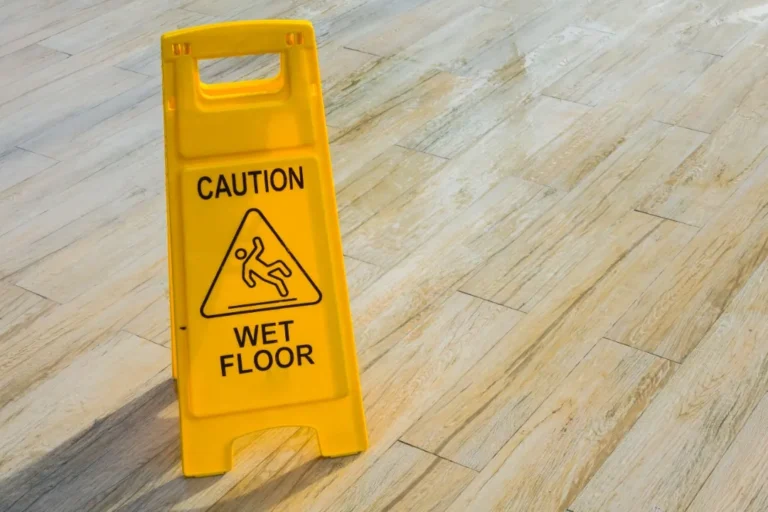
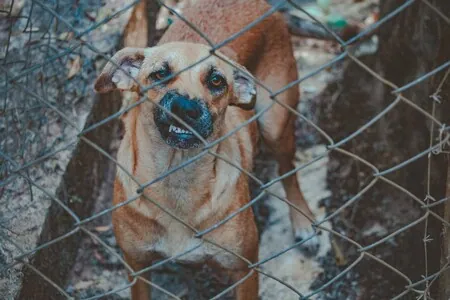

Learn more about slip and fall accidents and dog bite injuries, see every case type on our personal injury page, or contact us online. Our Woodland Hills office is open Monday to Friday, 9:00 AM to 7:00 PM, and we speak English and Spanish. Call (213) 800-0706 for a free consultation.